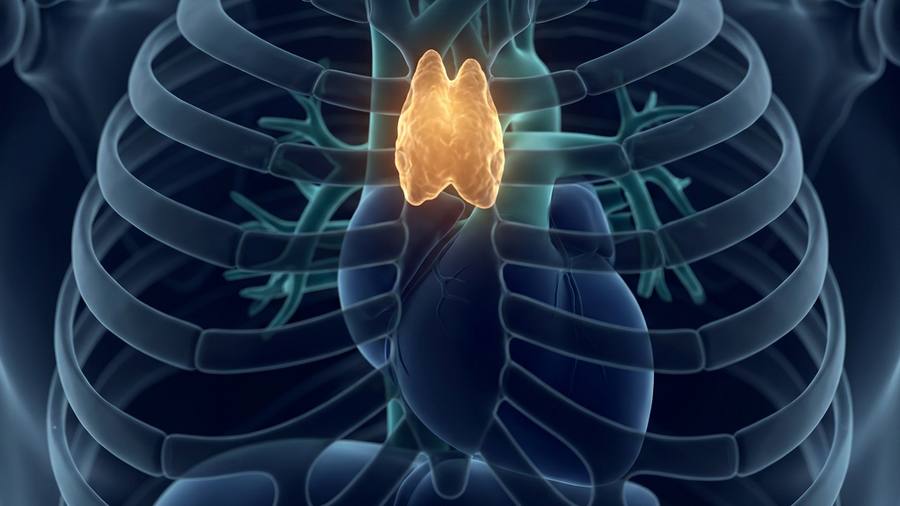
Mediastinal tumours
Minimally invasive thymectomy & tumour resection
The mediastinum is the space in the middle of your chest, between the lungs — it holds the heart, the windpipe, the food pipe and the thymus gland. Growths here are often not cancer, but they need to be checked and sometimes removed. Dr. Irshad removes most of them through small keyhole cuts rather than opening the breastbone.
What is a mediastinal tumour?
It’s a growth in the central chest. Common types include thymomas (from the thymus gland), cysts, enlarged lymph nodes and germ-cell tumours. Many are not cancer. Surgery often both removes the growth and provides the exact diagnosis.
Signs & symptoms
- Many cause no symptoms and are found on a scan
- Chest pressure or pain
- Cough or shortness of breath
- In some cases, muscle weakness linked to myasthenia gravis (with thymus tumours)
Many of these growths are found by chance on a scan done for another reason. See your doctor about ongoing chest pressure, a lasting cough, breathlessness, or new muscle weakness.
How it’s diagnosed
- CT and/or MRI scans
- Blood tests for certain tumour markers
- Sometimes a needle biopsy
- Surgery may be the clearest way to both diagnose and treat
Treatment options
- Minimally invasive thymectomy (removing the thymus)
- Keyhole removal of cysts and masses
- Coordinated oncology care if the growth is cancerous
Robotic & keyhole mediastinal surgery
Rather than opening the breastbone (a sternotomy), Dr. Irshad removes most mediastinal growths through a few small cuts. He increasingly uses the surgical robot for these resections — its 3D, high-definition magnified view and wristed instruments are especially valuable in the deep, confined space of the mediastinum, working safely around the heart, the great vessels and the phrenic nerves.
The result is precise removal of the growth with less pain, a shorter hospital stay and a faster recovery than open surgery — while still removing it completely and confirming the diagnosis.
Why a robotic approach helps here
A clear, magnified view
The robot gives a 3D, high-definition view that magnifies the deep, narrow mediastinum, so delicate structures are seen far more clearly than with the naked eye.
Wristed precision
Instruments that bend like a human wrist allow fine, controlled dissection in a tight space — right next to the heart, great vessels and phrenic nerves.
Complete removal
Excellent visualization helps remove the whole growth — and the entire thymus when needed, which matters in conditions such as myasthenia gravis.
Smaller cuts, faster recovery
A few keyhole incisions instead of splitting the breastbone means less pain, a shorter hospital stay, and a quicker return home.
Your recovery, step by step
Prehab helps: stopping smoking and doing daily breathing exercises lowers your risk and speeds recovery.
2–3 days for most minimally invasive mediastinal resections.
Light activity; avoid lifting; care for the incisions.
Gradual return to normal activity; pathology results reviewed.
Follow-up, with an oncology referral if needed.
Common questions
What types of growth occur in the mediastinum?
What is myasthenia gravis, and how is it linked?
I have myasthenia gravis but no thymoma. Should I still have a thymectomy?
Is a mediastinal mass always cancer?
Will I need a large incision?
Preparing for your surgery at William Osler
Your operation takes place at William Osler Health System (Brampton Civic Hospital). These are the hospital’s general instructions for getting ready, the day itself, and afterwards — always follow any specific advice Dr. Irshad gives you. Full details are on the Osler Surgical Services page.
Before your surgery
- Do not eat anything (including gum) after midnight the night before. Unless told otherwise, you may have clear fluids — water, pulp-free juice, black coffee or tea — up to 2 hours before.
- No alcohol, smoking, or marijuana for 24 hours before surgery.
- Shower the evening before and the morning of surgery (with chlorhexidine soap if you have it). Skip lotion, perfume, makeup and nail polish.
- Bring your OHIP card and photo ID, all your medications in their original containers (inhalers, insulin, supplements), and your CPAP machine if you use one.
- Arrange a responsible adult to drive you home — a taxi, Uber or Lyft does not count, and surgery may be cancelled without one.
- Leave jewellery, money and valuables at home.
The day of your surgery
After your surgery
The pre-anaesthesia clinic
Medically reviewed by Dr. Kashif Irshad, MD, MSc, FRCSC · Last updated July 2026
A referral from your family doctor or specialist is all that’s needed to be seen by Dr. Irshad. Find the referral forms and clinic details below.
Referral information →